
Guided Meditation for Period Pain: Why It Works and Where to Start
Can guided meditation reduce period pain?
Yes — and the mechanism is real, not mystical. Meditation activates the parasympathetic nervous system, which softens pelvic muscle tension, improves blood flow to the uterus, and supports the body's natural pain regulation.
Many women I work with notice a meaningful reduction in cramping within 2–3 cycles of consistent practice.
I'm Joss Frank, a Certified Yoga Therapist (C-IAYT) specialising in women's pelvic health and menstrual wellbeing. I've supported women around the world to reduce period pain through nervous system regulation, womb-focused yoga, and guided meditation.
In this post I'm going to explain why it works, what to look for, and where to find it.
Why Guided Meditation Helps With Period Pain
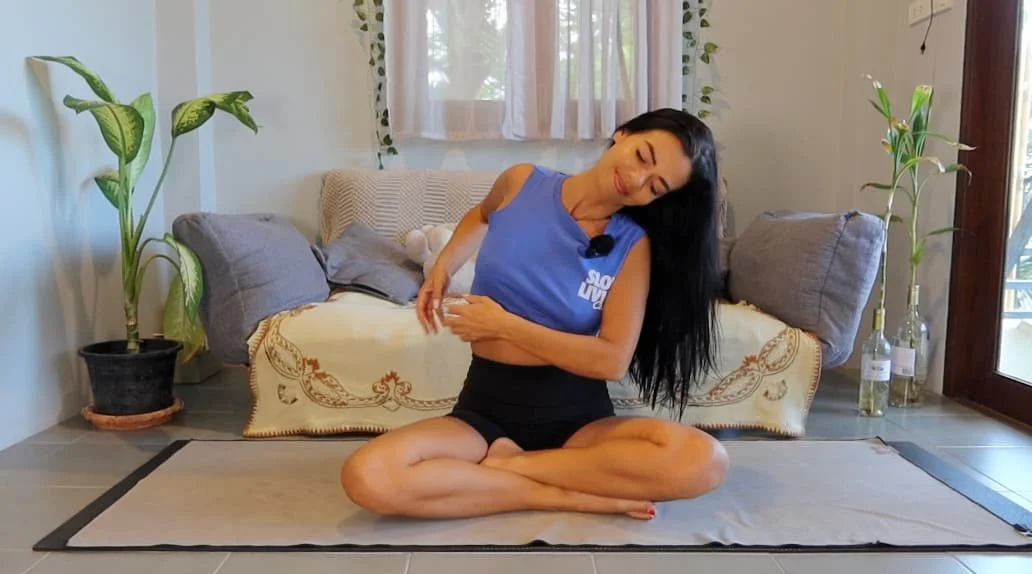
Most women think of period pain as purely physical. But the nervous system plays a huge role in how your body experiences menstrual cramps.
When you're in chronic stress — running on fight-or-flight — your pelvic muscles brace, blood flow to your uterus is reduced, and your body's ability to regulate pain is compromised. Month after month, that pattern compounds.
Guided meditation works by shifting you into your parasympathetic nervous system: your rest and digest state. In that state, muscles soften, blood flow improves, and pain signals are processed differently.
This is increasingly supported by research in pain science and mind-body medicine.
A 2017 study found that yoga-based interventions significantly reduced the intensity and duration of primary dysmenorrhea (painful periods). That's not a surprise if you understand how the nervous system and the pelvis are connected.
But not all meditation is equally useful for period pain.
Generic mindfulness apps are a starting point — but they don't address the specific patterns that drive menstrual pain: shame and disconnection from the womb space, chronic pelvic tension, and stored stress in the body. They also don't guide your awareness into the pelvic region itself, which is where the healing actually happens.
That's where womb-focused meditation is different.
My Personal Experience
For years I had painful periods. I tried painkillers, dietary changes, conventional medicine, nothing got to the root of it.
It wasn't until I started a consistent womb yoga and meditation practice in Thailand that things genuinely shifted.
For the first time I was bringing real attention and compassion to my pelvic space. I wasn’t pushing through or ignoring it, but actually listening.
What I discovered was that a lot of my period pain was connected to how disconnected I was from my own body. I'd spent years treating my cycle as an inconvenience, something to manage and hide.
When I changed that relationship (through womb meditation, yoga nidra, and somatic practices) my pain became more manageable. And eventually, genuinely better.
That shift is the foundation of everything I teach — and it's available to you too.
What to Look For in a Guided Meditation for Period Pain
Not all guided meditation for period pain is created equal. When you're looking for guided meditations for period pain, look for these qualities:
Womb focus:
The meditation should bring conscious, compassionate awareness to the lower belly, womb space, and pelvis (not just the breath or generic body scan).
Womb Healing Meditation | PCOS, Period Pain & Menopause
Nervous system regulation:
Extended exhale breathing, body scanning, and progressive relaxation are all signs the practice is working with your physiology, not just your mind.
Trauma-informed language:
Avoid anything that feels pushy, invasive, or uses language like "I want you to do this…" Gentle invitations, not commands.
Yoga nidra:
This is a specific guided relaxation practice that takes the nervous system into a deeply restorative state, somewhere between waking and sleep.
Research supports its effectiveness for stress reduction and pain management. It is one of the most powerful tools I use with my clients.
Consistency over intensity:
A 10-15 minute practice done regularly is far more effective than one long session once a month.
Types of Guided Meditation That Help With Period Pain

Yoga Nidra:
A guided practice that systematically relaxes the body and nervous system. During menstruation especially, yoga nidra can reduce cramping, ease emotional intensity, and support deep rest. Research supports its effectiveness for stress reduction and pain management — and it's one of the most powerful tools I use with clients.
Womb Healing Meditation:
An embodied meditation that brings gentle, loving awareness to the womb space.
This builds a compassionate relationship with an area of the body that many women have learned to disconnect from, and that disconnection is often part of what drives pain. Download the Free Guided Meditation
Breathwork for Pelvic Release:
Specific breathing practices that release chronic tension in the pelvic floor and lower belly. Extended exhale breathing, diaphragmatic breathing, and pelvic-floor-focused breathwork all support pain reduction during menstruation.
Body Scan Meditation:
A foundational practice for rebuilding interoception — the ability to sense what's happening inside your body. For women who have learned to override pain and push through, body scan helps rebuild the mind-body connection that makes all other healing possible.
Guided Meditation for Period Pain by Condition
Endometriosis:
Yoga nidra and womb meditation won't cure endometriosis, but they can meaningfully reduce pain, support emotional wellbeing, and help manage the nervous system dysregulation that often worsens symptoms. Many of my clients with endo find consistent meditation practice reduces how much pain they experience each cycle.
PCOS:
Chronic stress and elevated cortisol directly worsen PCOS symptoms. Nervous system regulation through meditation reduces cortisol load and supports hormonal balance over time.
Pelvic Floor Dysfunction:
Guided breathwork and body scan meditation address chronic pelvic floor tension — one of the most underrecognised contributors to period pain. Learning to consciously release the pelvic floor through breath is a game changer for many women.
Adenomyosis and Painful Cramps:
Womb-focused meditation during menstruation, combined with heat and rest, can reduce the intensity of cramping by softening the nervous system's pain response.
Frequently Asked Questions
Can guided meditation really reduce period pain?
Yes. Meditation activates the parasympathetic nervous system, which reduces pelvic muscle tension, improves blood flow to the uterus, and supports the body's natural pain regulation. Many women I work with notice a reduction in cramping within 2–3 cycles of consistent daily practice.
Where can I find guided meditations for period pain online?
I offer womb-focused guided meditations, yoga nidra, and holistic support for menstrual pain through Wild Womb.
You can start with the free guided meditation, join my free weekly Yoga Nidra on Zoom, or explore Embodied Feminine — my self-paced 12-lesson online course for womb healing with womb meditations, yoga therapy practices, and somatic healing for menstrual health.
How often should I practice meditation for period pain?
Daily, even for just 10–15 minutes. Consistency is what builds new nervous system patterns — one long session a month won't create lasting change.
During menstruation especially, a short yoga nidra or womb meditation can make a noticeable difference to how your body experiences pain.
Is guided meditation safe if I have endometriosis or PCOS?
Yes. Womb meditation and yoga nidra are gentle, non-invasive practices appropriate for most women with endometriosis, PCOS, adenomyosis, or pelvic floor dysfunction.
Always keep your medical team informed and continue any prescribed treatment — holistic practices work best alongside medical care, not instead of it.
What is the difference between yoga nidra and regular meditation?
Regular meditation involves maintaining waking awareness while focusing the mind.
Yoga nidra guides you into a state between waking and sleep — a deeply restorative state where the nervous system can reset at a level that active practice can't reach. For period pain and menstrual cramp relief specifically, yoga nidra is one of the most effective tools available.
Can I work with someone 1:1 for guided meditation and period pain?
Yes. In my private online yoga therapy sessions, we work directly with your nervous system, your cycle, and the specific patterns driving your pain — including personalised guided meditation and somatic practices tailored to you.
Sessions are fully online, so you can work with me from anywhere.
Does meditation help with menstrual cramps, or just stress?
Both — and they're more connected than most people realise.
Chronic stress directly worsens menstrual cramps by keeping the nervous system in fight-or-flight, which tightens the pelvic muscles and reduces blood flow to the uterus. When you regulate your nervous system through consistent meditation, you're addressing one of the root drivers of cramping, not just managing stress on the side.
Ready to Start Healing Your Period Pain With Real Support?
If you're ready to work on your period pain with proper support (not just a generic meditation app) but a practitioner who understands the nervous system, the womb, and the emotional roots of menstrual pain, I'd love to work with you.
Thanks for being here,
Joss | Certified Yoga Therapist C-IAYT
P.S: Not ready for 1:1 yet? Embodied Feminine is my self-paced 12-lesson online course — womb meditations, yoga therapy practices, and somatic healing for menstrual health, in your own time.

About The Author
Joss Frank is a Certified Yoga Therapist (C-IAYT) and E-RYT 500 specialising in women's pelvic health, menstrual pain, womb healing, and nervous system regulation. She is the founder of Wild Womb and has supported hundreds of women to reduce period pain and reconnect with their bodies through online yoga therapy, guided meditations, and self-paced courses.